
To effectively market a product or service, it is imperative to have a deep understanding of the target audience. This involves not only identifying who they are but also delving into their preferences, behaviors, and pain points. Demographic factors such as age, gender, income level, and education can provide a foundational understanding of the audience.
However, psychographic factors—such as values, interests, and lifestyle choices—are equally important. For instance, a company selling eco-friendly products would benefit from knowing that their target audience is likely to prioritize sustainability and ethical consumption. By creating detailed buyer personas that encapsulate these characteristics, businesses can tailor their marketing strategies to resonate more effectively with potential customers.

Moreover, understanding the target audience goes beyond mere demographics; it requires ongoing research and engagement. Utilizing surveys, focus groups, and social media interactions can yield valuable insights into customer preferences and emerging trends. For example, a brand might discover through customer feedback that their audience is increasingly interested in personalized experiences.
This information can guide product development and marketing campaigns, ensuring that they align with the evolving needs of the audience. By continuously monitoring shifts in consumer behavior and preferences, businesses can remain agile and responsive, ultimately fostering stronger connections with their customers.
Key Takeaways
- Know your target audience to tailor marketing strategies effectively.
- Use digital marketing tools to enhance campaign efficiency.
- Establish a strong online presence to increase brand visibility.
- Leverage social media platforms for broader engagement and reach.
- Implement SEO and track analytics to optimize marketing performance.

Utilizing Digital Marketing Tools
In the modern marketing landscape, digital tools are indispensable for reaching and engaging audiences effectively. A plethora of platforms and software solutions exist to streamline various aspects of digital marketing, from email campaigns to social media management. For instance, tools like HubSpot and Mailchimp facilitate the creation and automation of email marketing campaigns, allowing businesses to segment their audiences and deliver personalized content at scale.
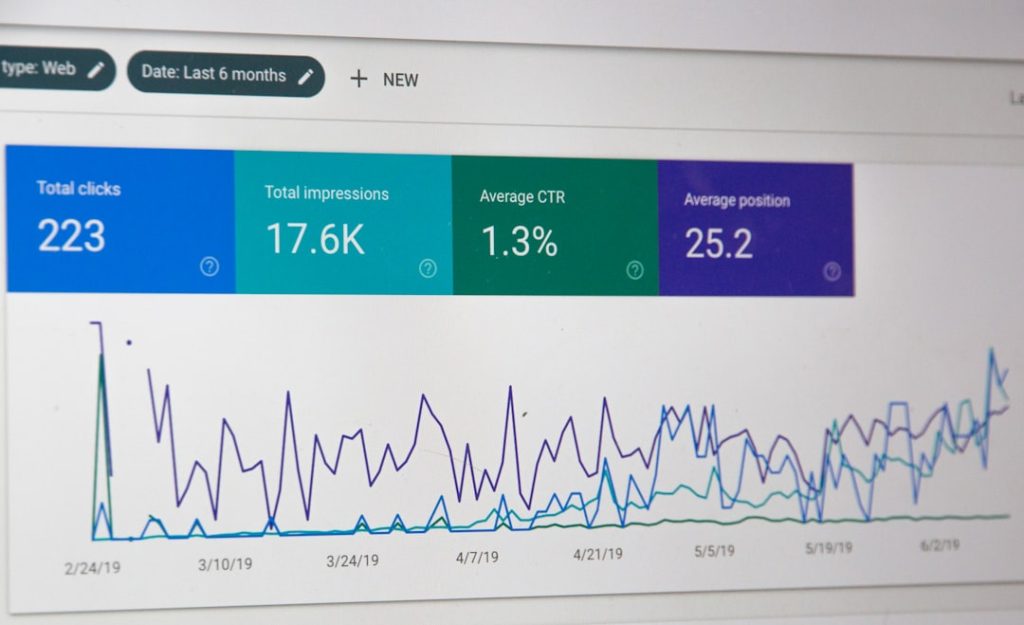
These tools not only save time but also enhance the effectiveness of marketing efforts by ensuring that messages reach the right people at the right time. Additionally, analytics tools such as Google Analytics provide invaluable insights into website traffic and user behavior. By analyzing metrics such as bounce rates, session duration, and conversion rates, marketers can identify which strategies are working and which need adjustment.
For example, if a particular landing page has a high bounce rate, it may indicate that the content is not resonating with visitors or that the user experience is lacking. Armed with this data, marketers can make informed decisions to optimize their campaigns and improve overall performance. The integration of digital marketing tools into a comprehensive strategy not only enhances efficiency but also empowers businesses to make data-driven decisions that lead to better outcomes.
Building a Strong Online Presence

Establishing a robust online presence is crucial for any business aiming to thrive in today’s digital-first world. This involves creating a cohesive brand identity across various online platforms, including websites, social media profiles, and online marketplaces. A well-designed website serves as the cornerstone of an online presence; it should be user-friendly, visually appealing, and optimized for mobile devices.
For instance, brands like Apple exemplify strong online presence through their sleek website design that reflects their brand ethos while providing an intuitive user experience. In addition to a functional website, businesses should actively engage with their audience on social media platforms. This means not only posting content regularly but also interacting with followers through comments, messages, and shares.
A strong online presence is characterized by authenticity and transparency; brands that communicate openly with their audience tend to build trust and loyalty over time. For example, companies like Glossier have successfully cultivated a community around their brand by encouraging user-generated content and actively responding to customer inquiries. By fostering a sense of belonging among their audience, these brands enhance their online presence and create lasting relationships with customers.
Leveraging Social Media Platforms
| Social Media Platform | Monthly Active Users (Millions) | Average Engagement Rate (%) | Primary Content Type | Best Use Case |
|---|---|---|---|---|
| 2900 | 1.6 | Text, Images, Videos | Brand Awareness & Community Building | |
| 2000 | 1.22 | Images, Stories, Reels | Visual Marketing & Influencer Collaboration | |
| 450 | 0.045 | Text, Images, Videos | Real-time Updates & Customer Service | |
| 900 | 0.54 | Articles, Text, Videos | Professional Networking & B2B Marketing | |
| TikTok | 1500 | 5.3 | Short Videos | Viral Content & Youth Engagement |
| 450 | 0.2 | Images, Infographics | Product Discovery & Visual Inspiration |
Social media platforms have revolutionized the way businesses connect with their audiences. With billions of users worldwide, platforms like Facebook, Instagram, Twitter, and LinkedIn offer unparalleled opportunities for engagement and brand visibility. Each platform has its unique characteristics and user demographics; thus, it is essential for businesses to tailor their content accordingly.
For instance, Instagram is highly visual and ideal for brands in the fashion or food industries to showcase products through eye-catching imagery and videos. In contrast, LinkedIn serves as a professional networking platform where B2B companies can share industry insights and connect with potential clients. Moreover, leveraging social media advertising can significantly amplify a brand’s reach.
Platforms offer sophisticated targeting options that allow businesses to reach specific demographics based on interests, behaviors, and location. For example, Facebook Ads enable marketers to create highly targeted campaigns that can drive traffic to their websites or promote specific products. Additionally, utilizing features such as Stories or live videos can enhance engagement by providing real-time interaction opportunities with followers.
Brands like Nike have effectively used social media to launch campaigns that resonate with their audience on an emotional level, driving both engagement and sales.
Implementing SEO Strategies
Search Engine Optimization (SEO) is a critical component of digital marketing that focuses on improving a website’s visibility in search engine results pages (SERPs). By optimizing content for relevant keywords and phrases that potential customers are searching for, businesses can increase organic traffic to their websites. This involves conducting thorough keyword research to identify high-traffic terms related to the industry or niche.
Tools like SEMrush or Ahrefs can assist marketers in discovering keywords with significant search volume and manageable competition. In addition to keyword optimization, on-page SEO practices such as improving site speed, enhancing mobile responsiveness, and optimizing meta tags play a vital role in achieving higher rankings on search engines. For example, Google prioritizes websites that load quickly and provide a seamless user experience on mobile devices.
Off-page SEO strategies, including building backlinks from reputable sites, further enhance a website’s authority in the eyes of search engines. A well-executed SEO strategy not only drives traffic but also establishes credibility and trustworthiness among potential customers.
Creating Engaging Content

Content is at the heart of any successful digital marketing strategy; it serves as the medium through which brands communicate with their audiences. Creating engaging content requires an understanding of what resonates with the target audience—this could range from informative blog posts to entertaining videos or interactive infographics. The key is to provide value while maintaining authenticity; content should address the needs or interests of the audience rather than solely promoting products or services.
For instance, brands like HubSpot excel in content marketing by offering valuable resources such as eBooks, webinars, and blog articles that educate their audience on various topics related to inbound marketing. This approach not only positions them as thought leaders in the industry but also fosters trust among potential customers who may eventually convert into leads or sales. Additionally, incorporating storytelling elements into content can enhance engagement by creating emotional connections with the audience.
Brands like Coca-Cola have mastered this technique by crafting narratives around shared experiences that resonate with consumers on a personal level.
Networking and Building Relationships
Networking is an essential aspect of business growth that extends beyond traditional methods of connecting with potential clients or partners. In the digital age, building relationships can occur through various channels such as online forums, social media groups, webinars, and industry events. Engaging with peers in the industry fosters collaboration opportunities and opens doors for partnerships that can enhance brand visibility and credibility.
For example, participating in industry-specific conferences or webinars allows businesses to showcase their expertise while connecting with like-minded professionals. Platforms like LinkedIn are particularly effective for networking; by sharing insights or engaging in discussions within relevant groups, individuals can establish themselves as knowledgeable contributors in their field. Furthermore, nurturing relationships with influencers or thought leaders can amplify a brand’s reach significantly; collaborations with these individuals often lead to increased exposure and credibility among target audiences.
Tracking and Analyzing Marketing Efforts
The final piece of an effective marketing strategy involves tracking and analyzing efforts to measure success accurately. Utilizing analytics tools enables businesses to assess the performance of various campaigns across different channels. Key performance indicators (KPIs) such as conversion rates, click-through rates (CTR), and return on investment (ROI) provide valuable insights into what strategies are yielding results and which areas require improvement.
For instance, if a particular email campaign shows low open rates despite high click-through rates on links within the email, it may indicate that subject lines need optimization or that the timing of the emails requires adjustment. Regularly reviewing these metrics allows marketers to pivot strategies based on data-driven insights rather than assumptions. Additionally, A/B testing different elements—such as headlines or call-to-action buttons—can further refine marketing efforts by identifying what resonates best with the audience.
By continuously tracking performance metrics and adapting strategies accordingly, businesses can enhance their marketing effectiveness over time.