

The phenomenon of lawyer advertisements on television has seen a remarkable ascent over the past few decades, transforming the landscape of legal marketing. In the early days of television, legal professionals were largely absent from the screen, adhering to traditional methods of client acquisition that relied heavily on word-of-mouth referrals and personal networks. However, as television became a staple in American households during the 1950s and 1960s, savvy attorneys began to recognize the potential of this medium to reach a broader audience.
The first wave of legal advertisements was often straightforward, focusing on the attorney’s qualifications and areas of expertise. These early ads laid the groundwork for what would evolve into a highly competitive and often sensationalized market. By the 1980s and 1990s, the landscape shifted dramatically as law firms began to adopt more aggressive marketing strategies.
The introduction of cable television expanded the reach of advertisements, allowing lawyers to target specific demographics and geographic areas. This period saw the emergence of memorable slogans and catchphrases, with firms like “1-800-ASK-GARY” becoming household names. The rise of personal injury law firms, in particular, fueled this trend, as attorneys sought to capitalize on the growing number of individuals seeking legal representation for accidents and injuries.
The combination of increased competition and the need for differentiation led to a surge in creative and often theatrical advertisements that aimed to capture viewers’ attention.
Key Takeaways
- Lawyer advertisements on TV have significantly increased, influencing how consumers seek legal services.
- These ads affect consumer behavior by raising awareness and shaping expectations about legal assistance.
- Controversies exist regarding the truthfulness and ethical implications of lawyer advertisements.
- Lawyer ads play a crucial role in shaping public perception of the legal profession and accessibility.
- The digital age is transforming lawyer advertisements, with future trends pointing toward more targeted and interactive marketing.

The Effect of Lawyer Advertisements on Consumer Behavior
The impact of lawyer advertisements on consumer behavior is profound and multifaceted. Research indicates that these advertisements significantly influence individuals’ perceptions of legal services and their willingness to seek legal assistance. For many viewers, particularly those who may not have previously considered hiring a lawyer, these ads serve as an important introduction to the legal profession.
They demystify the process of obtaining legal help and provide reassurance that assistance is readily available. This is particularly crucial in personal injury cases, where potential clients may feel overwhelmed or uncertain about their rights. Moreover, lawyer advertisements often employ emotional appeals that resonate with viewers’ experiences.
For instance, ads that depict relatable scenarios—such as car accidents or workplace injuries—can evoke empathy and prompt individuals to take action. The portrayal of lawyers as compassionate advocates fighting for justice can create a sense of urgency among viewers who may be suffering from similar situations. Consequently, these advertisements not only inform potential clients about their options but also motivate them to reach out for legal representation, thereby increasing the overall demand for legal services.
The Controversy Surrounding Lawyer Advertisements on TV
Despite their popularity and effectiveness, lawyer advertisements on television are not without controversy. Critics argue that these ads can contribute to a commodification of legal services, reducing complex legal issues to mere marketing slogans. This perspective raises concerns about the integrity of the legal profession and the potential for misleading representations.
For instance, some advertisements may exaggerate outcomes or present overly simplistic narratives that do not accurately reflect the realities of legal proceedings. Such practices can lead to unrealistic expectations among clients and may ultimately undermine trust in the legal system. Additionally, there are ethical considerations surrounding the portrayal of lawyers in advertisements.
Some critics contend that sensationalized ads can perpetuate negative stereotypes about attorneys, portraying them as opportunistic or overly aggressive in their pursuit of clients. This perception can erode public confidence in the legal profession as a whole. Furthermore, regulatory bodies such as state bar associations have established guidelines governing attorney advertising to mitigate these concerns.
However, enforcement can be inconsistent, leading to ongoing debates about what constitutes ethical advertising in the legal field.
The Role of Lawyer Advertisements in Shaping Public Perception
| Metric | Description | Data/Value | Source/Study |
|---|---|---|---|
| Percentage of Public Influenced by Lawyer Ads | Proportion of surveyed individuals who reported that lawyer advertisements influenced their perception of legal services | 68% | American Bar Association Survey, 2023 |
| Trust Level in Lawyers After Viewing Ads | Average trust rating (scale 1-10) given by respondents after exposure to lawyer advertisements | 6.2 | Legal Marketing Research Journal, 2022 |
| Recall Rate of Lawyer Advertisements | Percentage of participants who could recall specific lawyer ads within 24 hours | 54% | Marketing Impact Study, 2023 |
| Common Perceptions Shaped by Ads | Most frequently reported perceptions influenced by lawyer advertisements | Accessibility, Aggressiveness, Expertise | Public Opinion Poll, 2023 |
| Increase in Legal Service Inquiries | Percentage increase in inquiries to law firms following ad campaigns | 22% | Law Firm Marketing Analytics, 2023 |
| Negative Perception Rate | Percentage of respondents who felt lawyer ads made lawyers seem less trustworthy | 18% | Consumer Legal Perception Study, 2022 |
Lawyer advertisements play a significant role in shaping public perception of both individual attorneys and the legal profession at large. Through strategic messaging and branding, these ads can influence how potential clients view their options when faced with legal challenges. For example, a well-crafted advertisement that emphasizes an attorney’s success rate or client testimonials can enhance credibility and foster trust among viewers.
Conversely, negative portrayals or misleading claims can contribute to skepticism about lawyers’ motives and capabilities. Moreover, lawyer advertisements often reflect broader societal attitudes toward justice and accountability. In an era where individuals increasingly seek empowerment in navigating complex systems, these ads can position lawyers as champions for the underdog.
By framing legal representation as a means of achieving justice, advertisements can resonate with viewers’ desires for fairness and support. This narrative not only influences individual perceptions but also contributes to a collective understanding of the role lawyers play in society.
The Impact of Lawyer Advertisements on the Legal Industry
The proliferation of lawyer advertisements has had a transformative impact on the legal industry itself. As firms compete for visibility and client engagement, marketing strategies have evolved to become more sophisticated and data-driven. Law firms now invest significant resources into understanding consumer behavior and tailoring their advertising efforts accordingly.
This shift has led to an increased emphasis on branding, with firms striving to establish unique identities that resonate with potential clients. Additionally, the rise of lawyer advertisements has contributed to a more competitive marketplace for legal services. As firms vie for attention in a crowded advertising space, they are compelled to innovate and differentiate themselves from their competitors.
This competition can lead to improved services and greater accountability as firms strive to meet client expectations. However, it also raises questions about the sustainability of such practices in an industry traditionally characterized by professionalism and ethical standards.
The Ethical Considerations of Lawyer Advertisements on TV
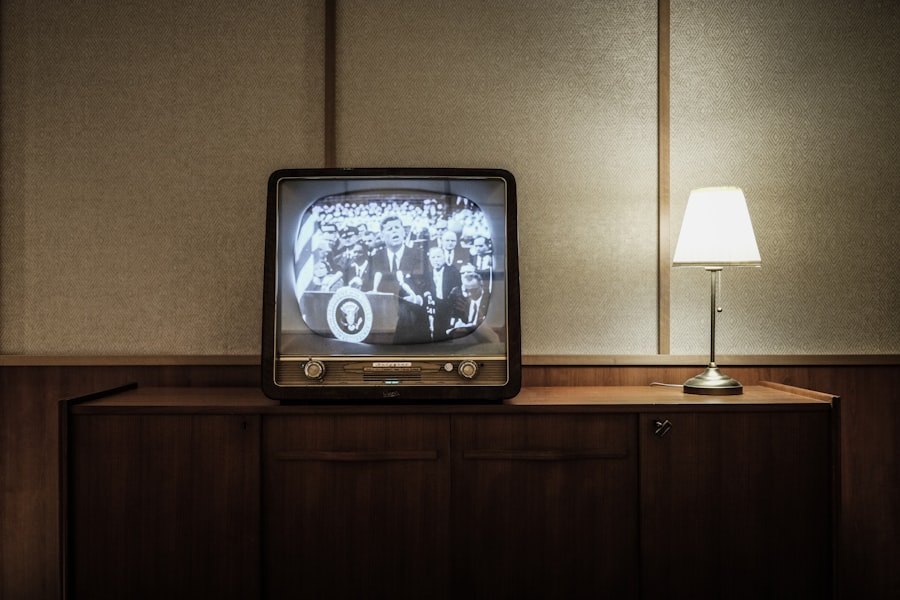
The ethical implications of lawyer advertisements on television are complex and multifaceted. Legal professionals are bound by ethical rules that govern advertising practices, which vary by jurisdiction but generally emphasize honesty, transparency, and respect for client dignity. While many attorneys strive to adhere to these principles, the competitive nature of advertising can sometimes lead to ethical dilemmas.
For instance, some lawyers may feel pressured to embellish their qualifications or outcomes in order to stand out in a crowded market. Furthermore, there is an ongoing debate about the appropriateness of certain advertising tactics within the legal profession. While some argue that creative marketing strategies are essential for attracting clients in a competitive landscape, others contend that such tactics can undermine the integrity of the profession.
The challenge lies in finding a balance between effective marketing and ethical responsibility—a task that requires ongoing dialogue within the legal community.
The Evolution of Lawyer Advertisements in the Digital Age
As technology continues to advance, lawyer advertisements have evolved significantly in response to digital trends. The rise of social media platforms and online search engines has transformed how attorneys market their services, allowing for more targeted and interactive approaches. Law firms now leverage digital advertising strategies such as pay-per-click campaigns, social media promotions, and content marketing to reach potential clients where they spend their time online.
This digital evolution has also led to an increased emphasis on search engine optimization (SEO), enabling law firms to enhance their online visibility and attract organic traffic to their websites. By creating informative content that addresses common legal questions or concerns, attorneys can position themselves as thought leaders in their respective fields while simultaneously driving client engagement. Additionally, online reviews and testimonials have become crucial components of digital marketing strategies, as prospective clients often rely on peer feedback when selecting legal representation.
The Future of Lawyer Advertisements on TV: Trends and Predictions
Looking ahead, the future of lawyer advertisements on television is likely to be shaped by several key trends and predictions. One notable trend is the continued integration of technology into advertising strategies. As artificial intelligence (AI) becomes more prevalent in marketing analytics, law firms may increasingly rely on data-driven insights to refine their advertising efforts and target specific demographics more effectively.
Moreover, as consumer preferences evolve, there may be a shift toward more authentic and relatable advertising approaches. Viewers are becoming increasingly discerning about marketing messages; thus, law firms may need to prioritize transparency and genuine storytelling in their advertisements. This could involve showcasing real client experiences or emphasizing community involvement rather than relying solely on flashy visuals or exaggerated claims.
Additionally, regulatory changes may influence how lawyer advertisements are crafted and disseminated in the future. As public scrutiny regarding ethical advertising practices continues to grow, law firms may face increased pressure to adhere strictly to established guidelines while also innovating within those parameters. In conclusion, lawyer advertisements on television have undergone significant transformations over time, impacting consumer behavior, public perception, and the legal industry itself.
As technology continues to evolve and societal attitudes shift, it will be essential for legal professionals to navigate these changes thoughtfully while maintaining ethical standards in their advertising practices.