
In the digital age, the landscape of legal services has transformed dramatically, with potential clients increasingly turning to online searches to find legal representation. Local SEO, or search engine optimization, is a critical strategy for law firms aiming to enhance their visibility in local search results. This is particularly vital for law firms, as most clients prefer to hire attorneys who are geographically close to them.
According to a study by Google, 76% of people who search for something nearby visit a business within a day, and 28% of those searches result in a purchase. For law firms, this means that optimizing for local search can directly influence client acquisition and retention. Moreover, local SEO not only helps law firms appear in search results but also enhances their credibility and authority in the community.

When a law firm ranks high in local search results, it signals to potential clients that the firm is reputable and trusted within the area. This is especially important in the legal field, where trust and reliability are paramount. By focusing on local SEO, law firms can effectively target their ideal clients, ensuring that their marketing efforts yield the highest return on investment.
The importance of local SEO cannot be overstated; it is an essential component of a comprehensive marketing strategy that can significantly impact a law firm’s bottom line.
Key Takeaways
- Local SEO is crucial for law firms to attract clients within their geographic area.
- Optimizing your website and Google My Business profile enhances local search visibility.
- Creating localized content and building local citations improve your firm’s relevance in local searches.
- Online reviews significantly impact your law firm’s reputation and local SEO rankings.
- Regular monitoring and partnering with local SEO experts ensure sustained and effective local search performance.

Optimizing Your Law Firm’s Website for Local Search
To effectively optimize a law firm’s website for local search, several key elements must be addressed. First and foremost, the website should include location-specific keywords throughout its content. This involves incorporating terms that potential clients are likely to use when searching for legal services in their area.
For instance, a personal injury law firm in Los Angeles might use phrases like “Los Angeles personal injury attorney” or “best car accident lawyer in LA.” These keywords should be strategically placed in titles, headings, meta descriptions, and throughout the body of the content to improve search engine visibility. In addition to keyword optimization, ensuring that the website is mobile-friendly is crucial. With an increasing number of users accessing websites via smartphones and tablets, Google prioritizes mobile-responsive sites in its rankings.
A mobile-friendly design not only enhances user experience but also reduces bounce rates, which can positively impact search rankings. Furthermore, the website should load quickly; slow-loading pages can frustrate users and lead them to abandon the site before it fully loads. Tools like Google PageSpeed Insights can help identify areas for improvement in website speed.
Leveraging Google My Business for Local SEO

Google My Business (GMB) is an invaluable tool for law firms looking to enhance their local SEO efforts. By creating and optimizing a GMB profile, law firms can significantly improve their visibility in local search results and Google Maps. A well-optimized GMB listing includes essential information such as the firm’s name, address, phone number, website link, and business hours.
Additionally, firms should select relevant categories that accurately describe their services, such as “family law attorney” or “criminal defense lawyer,” to help Google understand what types of clients they serve. Moreover, maintaining an active GMB profile allows law firms to engage with potential clients directly. Firms can post updates about their services, share blog articles, and even respond to questions from users.
Regularly updating the GMB profile with fresh content signals to Google that the business is active and engaged, which can positively influence local search rankings. Additionally, utilizing features such as Q&A and posts can help address common client inquiries and showcase the firm’s expertise in specific areas of law.
Creating Localized Content for Your Law Firm’s Website
| Metric | Description | Example Value | Importance |
|---|---|---|---|
| Localized Keyword Usage | Number of location-specific keywords integrated into website content | 15 per page | High |
| Page Load Speed (Localized Pages) | Average time for localized pages to load | 2.5 seconds | Medium |
| Local Backlinks | Number of backlinks from local directories and organizations | 30 | High |
| Contact Information Accuracy | Percentage of pages with correct local contact details | 100% | Critical |
| Localized Content Updates | Frequency of updates to localized content | Monthly | Medium |
| Local Reviews Displayed | Number of local client reviews featured on the site | 20 | High |
| Mobile Responsiveness | Percentage of localized pages optimized for mobile devices | 95% | High |
| Local Schema Markup Implementation | Presence of structured data for local SEO | Implemented on all pages | High |
Creating localized content is a powerful strategy for law firms aiming to connect with their community and improve local SEO. This involves producing content that speaks directly to the needs and interests of potential clients in a specific geographic area. For example, a law firm specializing in real estate might create blog posts discussing local property laws, recent changes in zoning regulations, or tips for first-time homebuyers in their city.
By addressing local issues and concerns, the firm positions itself as a knowledgeable resource within the community. In addition to blog posts, localized content can take various forms, including case studies that highlight successful outcomes for clients in specific neighborhoods or testimonials from satisfied clients who reside in the area. Incorporating local landmarks or events into content can also enhance its relevance.
For instance, a family law attorney might write about how local courts handle custody disputes or provide insights on family-related events happening in the community. This not only helps with SEO but also fosters a sense of connection with potential clients who may relate to the content on a personal level.
Building Citations and Local Links for Your Law Firm
Citations and backlinks are critical components of any effective local SEO strategy for law firms. A citation refers to any online mention of a law firm’s name, address, and phone number (NAP), regardless of whether there is a link back to the firm’s website. Consistency is key when it comes to citations; discrepancies in NAP information across different platforms can confuse search engines and negatively impact rankings.
Law firms should ensure that their NAP information is accurate and consistent across all directories, including legal-specific directories like Avvo or FindLaw as well as general business directories like Yelp or Yellow Pages. Building local backlinks is equally important for enhancing a law firm’s authority and improving its search rankings. Backlinks from reputable local websites signal to search engines that the firm is a trusted source of information within its community.
Law firms can pursue backlinks by engaging with local organizations, sponsoring community events, or collaborating with other businesses on joint initiatives. For example, a law firm might partner with a local nonprofit organization to host a legal workshop or seminar, which could lead to mentions and links from the nonprofit’s website and social media channels.
Using Online Reviews to Boost Your Law Firm’s Local SEO

Online reviews play a significant role in shaping a law firm’s reputation and influencing its local SEO performance. Positive reviews not only enhance credibility but also contribute to higher rankings in local search results. Google considers the quantity and quality of reviews when determining how to rank businesses in local searches; therefore, encouraging satisfied clients to leave reviews on platforms like Google My Business, Yelp, or Avvo is essential.
To effectively leverage online reviews, law firms should actively solicit feedback from clients after case resolution or consultation sessions. This can be done through follow-up emails or during exit interviews where clients are asked about their experience. Additionally, responding to reviews—both positive and negative—demonstrates engagement and commitment to client satisfaction.
A thoughtful response to a negative review can showcase the firm’s dedication to resolving issues and improving client experiences, which can positively influence potential clients’ perceptions.
Monitoring and Analyzing Your Law Firm’s Local SEO Performance
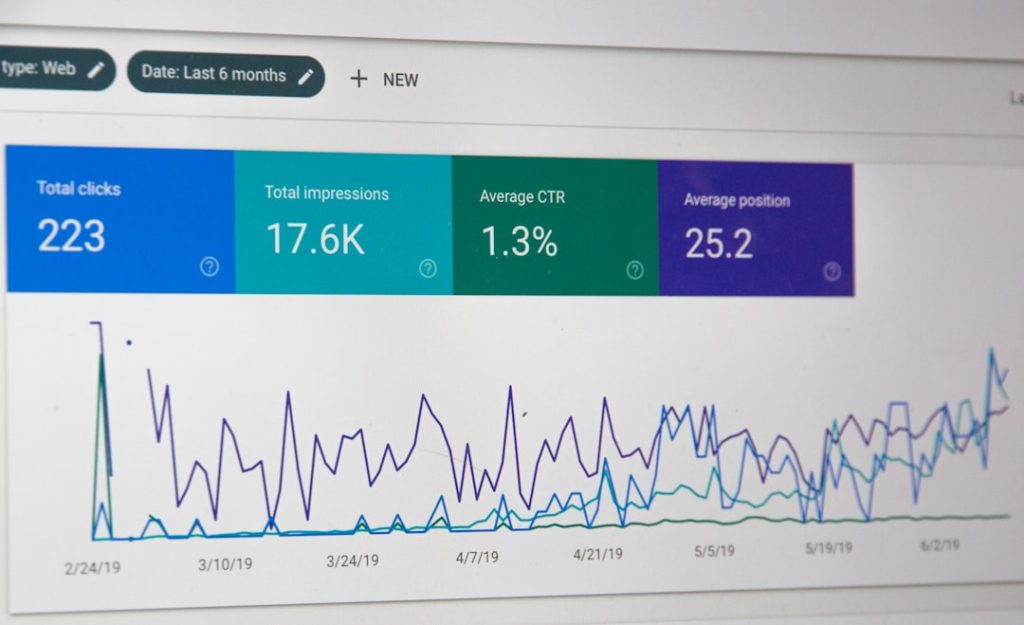
Monitoring and analyzing local SEO performance is crucial for law firms seeking continuous improvement in their online visibility. Various tools are available to track key metrics such as website traffic, keyword rankings, and conversion rates. Google Analytics provides valuable insights into how users interact with a law firm’s website, including which pages are most visited and where traffic originates from.
This data can help identify which aspects of the SEO strategy are working well and which areas may need adjustment. In addition to website analytics, tracking local search rankings using tools like Moz or SEMrush can provide insights into how well the firm is performing against competitors in its area. Understanding which keywords are driving traffic can inform future content creation efforts and help refine overall SEO strategies.
Regularly reviewing these metrics allows law firms to adapt their approaches based on real-time data, ensuring they remain competitive in an ever-evolving digital landscape.
Partnering with a Local SEO Expert for Your Law Firm’s Visibility
For many law firms, navigating the complexities of local SEO can be daunting due to the ever-changing algorithms and best practices involved. Partnering with a local SEO expert can provide invaluable support in enhancing online visibility and driving client acquisition efforts. An experienced SEO professional will have a deep understanding of the legal industry’s unique challenges and opportunities, allowing them to tailor strategies specifically for law firms.
A local SEO expert can assist with comprehensive audits of existing online presence, identifying areas for improvement across various platforms including websites, social media profiles, and directory listings. They can also help develop targeted keyword strategies that align with the firm’s practice areas and geographic focus. Furthermore, ongoing support from an SEO expert ensures that law firms stay updated on industry trends and algorithm changes that could impact their rankings.
By investing in professional expertise, law firms can maximize their online presence and ultimately attract more clients through effective local SEO strategies.