

Understanding your target audience is the cornerstone of any successful marketing strategy. It involves delving deep into the demographics, psychographics, and behavioral patterns of the individuals or groups you aim to reach. Demographics include age, gender, income level, education, and geographic location, while psychographics encompass interests, values, lifestyles, and motivations.
By analyzing these factors, businesses can create detailed buyer personas that represent their ideal customers. For instance, a company selling high-end fitness equipment may identify its target audience as affluent individuals aged 30-50 who prioritize health and wellness and are willing to invest in premium products. Moreover, understanding your audience goes beyond mere statistics; it requires empathy and insight into their needs and pain points.

Conducting surveys, interviews, and focus groups can provide invaluable qualitative data that quantitative metrics often overlook. For example, a skincare brand might discover through customer feedback that their audience is not only concerned about product efficacy but also about sustainability and ethical sourcing. This insight can inform product development and marketing strategies, ensuring that the brand resonates with its audience on a deeper level.
Key Takeaways
- Know your target audience to tailor marketing strategies effectively.
- Use digital marketing tools to enhance reach and efficiency.
- Develop engaging content that resonates with your audience.
- Leverage social media platforms to boost visibility and interaction.
- Continuously track results and stay updated on industry trends for improvement.
Utilizing Digital Marketing Tools

In today’s digital landscape, a plethora of marketing tools are available to help businesses streamline their efforts and maximize their reach. These tools range from analytics platforms to social media management software, each designed to enhance specific aspects of digital marketing. For instance, Google Analytics is an essential tool for tracking website traffic and user behavior.
It provides insights into how visitors interact with your site, which pages are most popular, and where users are dropping off. This data is crucial for optimizing user experience and improving conversion rates. Additionally, email marketing platforms like Mailchimp or Constant Contact allow businesses to create targeted campaigns that engage their audience effectively.
These tools enable segmentation based on user behavior and preferences, ensuring that the right message reaches the right people at the right time. For example, an e-commerce store can send personalized product recommendations to customers based on their previous purchases or browsing history. By utilizing these digital marketing tools, businesses can not only enhance their operational efficiency but also foster stronger connections with their audience.
Creating Compelling Content

Content creation is a vital component of any marketing strategy, as it serves as the primary means of communication between a brand and its audience. Compelling content captures attention, informs, entertains, and ultimately drives action. The key to creating engaging content lies in understanding what resonates with your target audience.
This involves not only delivering valuable information but also presenting it in a format that appeals to your audience’s preferences—be it blog posts, videos, infographics, or podcasts. For instance, a travel agency might create a series of visually stunning videos showcasing exotic destinations while providing practical travel tips. This approach not only highlights the agency’s expertise but also inspires potential travelers to envision their next adventure.
Furthermore, storytelling plays a crucial role in content creation; narratives that evoke emotions can significantly enhance engagement. A brand that shares customer success stories or testimonials can build trust and credibility while illustrating the real-world impact of its products or services.
Leveraging Social Media
| Metric | Description | Example Value | Importance |
|---|---|---|---|
| Engagement Rate | Percentage of audience interacting with content (likes, comments, shares) | 4.5% | High – Indicates content relevance and audience interest |
| Follower Growth | Increase in number of followers over a specific period | +1,200 followers/month | Medium – Reflects brand reach expansion |
| Click-Through Rate (CTR) | Percentage of users clicking on links in posts | 2.8% | High – Measures effectiveness of call-to-action |
| Impressions | Number of times content is displayed | 150,000 impressions/month | Medium – Shows content visibility |
| Conversion Rate | Percentage of social media visitors completing desired actions | 1.2% | High – Indicates success in driving business goals |
| Share of Voice | Brand mentions compared to competitors | 25% | Medium – Measures brand presence in social conversations |
| Response Time | Average time to respond to audience inquiries | 2 hours | High – Impacts customer satisfaction and engagement |
Social media platforms have revolutionized the way businesses interact with their audiences. With billions of users worldwide, platforms like Facebook, Instagram, Twitter, and LinkedIn offer unparalleled opportunities for brands to connect with potential customers. Leveraging social media effectively requires a strategic approach that aligns with your overall marketing goals.
This includes selecting the right platforms based on where your target audience spends their time and crafting tailored content for each channel. For example, a fashion retailer may find that Instagram is the ideal platform for showcasing visually appealing products through high-quality images and influencer partnerships. By collaborating with fashion influencers who resonate with their target demographic, the retailer can expand its reach and enhance brand visibility.
Additionally, engaging with followers through comments, direct messages, and live sessions fosters a sense of community and loyalty. Brands that actively listen to their audience on social media can gain valuable insights into customer preferences and trends, allowing them to adapt their strategies accordingly.
Building a Strong Online Presence
A robust online presence is essential for businesses looking to thrive in the digital age. This encompasses not only having a well-designed website but also maintaining active profiles across relevant social media platforms and online directories. A professional website serves as the digital storefront for a business; it should be user-friendly, mobile-responsive, and optimized for search engines to attract organic traffic.
Incorporating elements such as clear calls-to-action (CTAs), customer testimonials, and informative blog content can enhance user experience and encourage conversions. In addition to a website, businesses should focus on local SEO strategies if they operate in specific geographic areas. Claiming and optimizing Google My Business listings can significantly improve visibility in local search results.
For instance, a local coffee shop can attract nearby customers by ensuring its hours of operation, location, and menu are accurately listed on Google Maps. Furthermore, engaging in online communities related to your industry can help establish authority and credibility while driving traffic back to your website.
Networking and Relationship Building
Networking is an invaluable aspect of business growth that often goes overlooked in the digital marketing realm. Building relationships with industry peers, influencers, and potential customers can open doors to new opportunities and collaborations. Attending industry conferences, webinars, and networking events allows businesses to connect with like-minded individuals who share similar goals and challenges.
These interactions can lead to partnerships that enhance brand visibility or provide access to new markets. Moreover, nurturing relationships with existing customers is equally important. Implementing customer loyalty programs or hosting exclusive events for loyal clients can foster a sense of belonging and appreciation.
For example, a boutique hotel might offer special discounts or personalized experiences for returning guests, encouraging repeat visits while generating positive word-of-mouth referrals. By prioritizing relationship building both online and offline, businesses can create a supportive network that contributes to long-term success.
Tracking and Analyzing Results
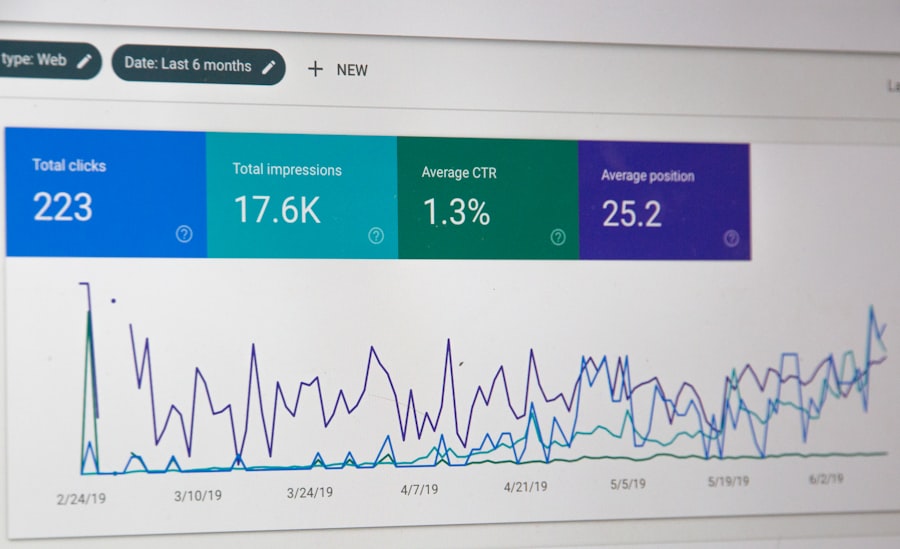
The ability to track and analyze marketing results is crucial for understanding the effectiveness of your strategies and making informed decisions moving forward. Utilizing analytics tools allows businesses to measure key performance indicators (KPIs) such as website traffic, conversion rates, social media engagement, and email open rates. By regularly reviewing these metrics, companies can identify trends and patterns that inform future campaigns.
For instance, if an email marketing campaign yields a high open rate but low click-through rate, it may indicate that while the subject line was compelling, the content did not resonate with recipients. This insight prompts marketers to refine their messaging or call-to-action in future emails. Additionally, A/B testing different elements—such as headlines or visuals—can provide valuable data on what resonates best with your audience.
By continuously tracking performance and adapting strategies based on data-driven insights, businesses can optimize their marketing efforts for maximum impact.
Staying Updated on Industry Trends
In an ever-evolving digital landscape, staying updated on industry trends is essential for maintaining a competitive edge. This involves keeping abreast of emerging technologies, consumer behaviors, and shifts in market dynamics that could impact your business. Subscribing to industry publications, attending webinars, and participating in professional organizations are effective ways to stay informed about the latest developments.
For example, the rise of artificial intelligence (AI) in marketing has transformed how businesses approach customer engagement and personalization. Companies leveraging AI-driven tools can analyze vast amounts of data to predict consumer behavior more accurately than ever before. Understanding these trends allows businesses to adapt their strategies proactively rather than reactively.
Furthermore, engaging with thought leaders on social media platforms can provide insights into innovative practices that could enhance your marketing efforts. By remaining vigilant about industry trends and adapting accordingly, businesses can position themselves as leaders in their respective fields while effectively meeting the evolving needs of their audience.