

Understanding your target audience is the cornerstone of any successful marketing strategy. It involves identifying the specific group of consumers who are most likely to engage with your product or service. This process begins with demographic analysis, which includes age, gender, income level, education, and geographic location.
However, it extends far beyond mere statistics. Psychographics, which delve into the attitudes, values, interests, and lifestyles of potential customers, play a crucial role in shaping marketing messages that resonate deeply with the audience. For instance, a brand targeting environmentally conscious consumers must not only highlight the eco-friendliness of its products but also align its messaging with the values and lifestyle choices of this demographic.

To effectively understand your target audience, conducting thorough market research is essential. Surveys, focus groups, and interviews can provide invaluable insights into consumer preferences and behaviors. Additionally, analyzing existing customer data can reveal patterns that inform future marketing efforts.
For example, if a company discovers that a significant portion of its customers are young professionals interested in sustainability, it can tailor its marketing campaigns to emphasize eco-friendly practices and products. By creating detailed buyer personas that encapsulate the characteristics and motivations of these target segments, businesses can craft more personalized and effective marketing strategies that speak directly to their audience’s needs and desires.
Key Takeaways
- Identify and understand your target audience to tailor marketing efforts effectively.
- Use social media platforms to engage and expand your customer base.
- Develop compelling content that attracts and retains audience interest.
- Apply SEO techniques to improve online visibility and search rankings.
- Track and analyze marketing campaigns to optimize performance and ROI.

Utilizing Social Media Marketing
Social media marketing has transformed the way businesses interact with their customers. Platforms such as Facebook, Instagram, Twitter, and LinkedIn offer unique opportunities for brands to engage with their audience in real-time. The interactive nature of social media allows companies to foster relationships with consumers by responding to comments, sharing user-generated content, and participating in conversations relevant to their industry.
For instance, a fashion brand might leverage Instagram Stories to showcase behind-the-scenes content or host Q&A sessions with designers, creating a sense of community and connection with followers. Moreover, social media advertising provides powerful targeting options that enable businesses to reach specific demographics based on interests, behaviors, and location. This precision allows for more efficient use of marketing budgets and higher conversion rates.
For example, a local coffee shop could run targeted ads on Facebook to reach users within a five-mile radius who have shown interest in specialty coffee or local events. By utilizing analytics tools provided by these platforms, businesses can track engagement metrics such as likes, shares, and comments to refine their strategies continually. The ability to adapt quickly based on real-time feedback is one of the most significant advantages of social media marketing.
Creating Compelling Content
Content creation is at the heart of effective digital marketing strategies. Compelling content not only attracts attention but also engages and retains customers over time. This can take various forms, including blog posts, videos, infographics, podcasts, and social media updates.
The key is to provide value through informative or entertaining content that addresses the needs and interests of your target audience. For instance, a health and wellness brand might create a series of blog posts on nutrition tips or workout routines that resonate with fitness enthusiasts looking for guidance. In addition to being valuable, content must also be well-crafted and visually appealing.
High-quality images, engaging headlines, and clear calls-to-action can significantly enhance the effectiveness of content marketing efforts. Storytelling is another powerful tool in content creation; by weaving narratives that evoke emotions or illustrate real-life applications of products or services, brands can create a deeper connection with their audience. For example, a nonprofit organization might share success stories from individuals whose lives have been positively impacted by its programs, thereby inspiring potential donors to contribute.
Ultimately, the goal is to create content that not only informs but also inspires action.
Implementing Search Engine Optimization (SEO) Strategies
| SEO Strategy | Key Metrics | Typical Range/Goal | Tools for Measurement |
|---|---|---|---|
| Keyword Research | Search Volume, Keyword Difficulty, CPC | High volume, Low difficulty | Google Keyword Planner, Ahrefs, SEMrush |
| On-Page Optimization | Title Tag Length, Meta Description Length, Keyword Density | Title: 50-60 chars, Meta: 150-160 chars, Density: 1-2% | Yoast SEO, Moz On-Page Grader |
| Content Quality | Readability Score, Content Length, Engagement Rate | Flesch Reading Ease > 60, 1000+ words, High engagement | Grammarly, Hemingway Editor, Google Analytics |
| Backlink Building | Number of Backlinks, Domain Authority, Referring Domains | Increasing trend, DA > 30, Diverse domains | Ahrefs, Moz, Majestic |
| Technical SEO | Page Speed Score, Mobile Usability, Crawl Errors | PageSpeed > 80, 100% mobile friendly, Zero errors | Google PageSpeed Insights, Google Search Console |
| User Experience (UX) | Bounce Rate, Average Session Duration, Pages per Session | Bounce Rate < 50%, Session > 2 min, Pages > 2 | Google Analytics, Hotjar |
| Local SEO | Google My Business Views, Local Pack Rankings, Reviews | Increasing views, Top 3 local pack, 4+ star reviews | Google My Business, BrightLocal |
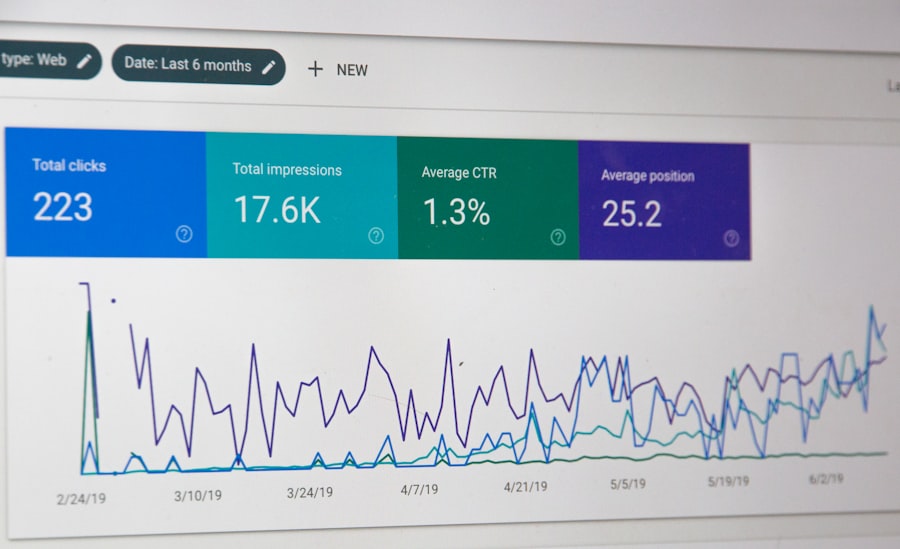
Search Engine Optimization (SEO) is a critical component of digital marketing that focuses on improving a website’s visibility in search engine results pages (SERPs). By optimizing website content for relevant keywords and phrases that potential customers are searching for, businesses can increase organic traffic to their sites. This involves both on-page SEO techniques—such as optimizing title tags, meta descriptions, and header tags—and off-page strategies like building backlinks from reputable sources.
For instance, a travel agency might optimize its website for keywords like “best travel destinations” or “affordable vacation packages” to attract users actively seeking travel advice. Moreover, technical SEO plays a vital role in ensuring that search engines can crawl and index a website effectively. Factors such as site speed, mobile-friendliness, and secure connections (HTTPS) are crucial for providing a positive user experience and improving search rankings.
Regularly updating content to keep it fresh and relevant is also essential; search engines favor websites that consistently provide valuable information. For example, a tech blog that regularly publishes articles on the latest gadgets or software updates is more likely to rank higher than one that remains static over time. By implementing comprehensive SEO strategies, businesses can enhance their online presence and drive targeted traffic to their websites.
Leveraging Email Marketing
Email marketing remains one of the most effective channels for reaching customers directly. With an average return on investment (ROI) of $42 for every dollar spent, it offers unparalleled opportunities for engagement and conversion. Building an email list involves collecting addresses from interested individuals through sign-up forms on websites or social media platforms.
Once a list is established, businesses can segment their audience based on various criteria such as purchase history or engagement levels to deliver personalized content that resonates with each group. Crafting compelling email campaigns requires attention to detail in both design and messaging. Subject lines should be enticing enough to encourage recipients to open the email while the content should provide value—whether through informative articles, exclusive offers, or product recommendations.
For instance, an e-commerce store might send personalized product suggestions based on previous purchases or browsing behavior. Additionally, incorporating clear calls-to-action (CTAs) encourages recipients to take specific actions such as making a purchase or visiting a website. By analyzing metrics such as open rates and click-through rates (CTR), businesses can continually refine their email marketing strategies for better results.
Networking and Building Partnerships

Networking and building partnerships are essential strategies for expanding reach and enhancing credibility in any industry. Collaborating with other businesses or influencers can open doors to new audiences and create mutually beneficial opportunities. For example, a local bakery might partner with a nearby coffee shop to offer joint promotions or events that attract customers from both establishments.
Such collaborations not only increase visibility but also foster community relationships that can lead to long-term loyalty. Influencer marketing has gained significant traction in recent years as brands seek to leverage the trust and authority that influencers hold over their followers. By partnering with influencers who align with their values and target audience, businesses can tap into established communities and gain authentic endorsements.
For instance, a skincare brand might collaborate with beauty influencers who share their commitment to cruelty-free products. This partnership can amplify brand awareness while providing influencers with valuable content to share with their followers. Networking at industry events or through online platforms also allows businesses to connect with potential partners who share similar goals and values.
Utilizing Pay-Per-Click (PPC) Advertising
Pay-Per-Click (PPC) advertising is a powerful tool for driving targeted traffic to websites quickly. Unlike organic search strategies that require time to build momentum, PPC campaigns allow businesses to appear at the top of search engine results almost immediately by bidding on relevant keywords. Google Ads is one of the most popular platforms for PPC advertising; it enables advertisers to create ads that appear when users search for specific terms related to their products or services.
For example, an online retailer selling athletic gear could bid on keywords like “buy running shoes” to ensure its ads are displayed prominently when potential customers search for those terms. The effectiveness of PPC advertising lies in its ability to target specific demographics based on factors such as location, device type, and user behavior. This level of precision ensures that marketing budgets are spent efficiently by reaching individuals who are more likely to convert into customers.
Additionally, PPC campaigns provide valuable data insights that allow businesses to analyze performance metrics such as click-through rates (CTR) and conversion rates. By continuously optimizing ad copy and targeting parameters based on this data, companies can improve their return on investment (ROI) over time.
Measuring and Analyzing Marketing Campaigns
Measuring and analyzing marketing campaigns is crucial for understanding their effectiveness and making informed decisions about future strategies. Key performance indicators (KPIs) such as conversion rates, customer acquisition costs (CAC), return on investment (ROI), and engagement metrics provide valuable insights into how well campaigns are performing. Utilizing analytics tools like Google Analytics allows businesses to track user behavior on their websites and assess which channels are driving traffic and conversions.
Regularly reviewing campaign performance enables marketers to identify areas for improvement and optimize strategies accordingly. For instance, if an email campaign shows low open rates compared to industry benchmarks, it may indicate that subject lines need refinement or that the audience needs better segmentation. Similarly, analyzing social media engagement metrics can reveal which types of content resonate most with followers, guiding future content creation efforts.
By adopting a data-driven approach to marketing analysis, businesses can make strategic adjustments that enhance overall performance and drive growth over time.